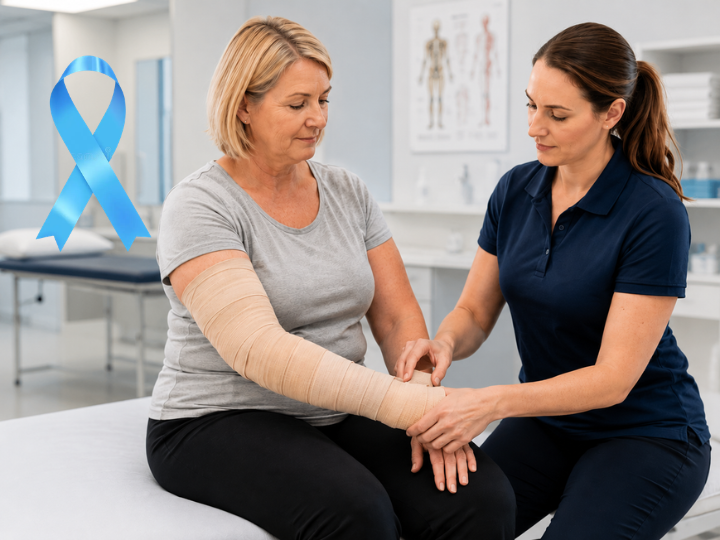
Understanding Lymphedema
Lymphedema is a condition that causes swelling in different parts of the body, most commonly in the arms or legs. It happens when the lymphatic system cannot properly drain lymph fluid, leading to fluid buildup in the tissues. Although many people associate it with breast cancer treatment, lymphedema can develop for several other reasons as well.
Understanding the causes, symptoms, and treatment options for lymphedema is important because early diagnosis can help prevent complications and improve quality of life.
Infographic: What Happens in Lymphedema?
Normal Lymphatic Flow
✔ Lymph fluid drains normally
✔ Waste and toxins are removed
✔ No swelling occurs
Blocked or Damaged Lymphatic System
❌ Lymph fluid cannot drain properly
❌ Fluid builds up in tissues
❌ Swelling and discomfort begin
Understanding the Lymphatic System
The lymphatic system is a vital part of the body’s immune and drainage system. It consists of lymph nodes, lymph vessels, and lymph fluid that work together to remove waste, toxins, and excess fluid from the body.
When this system becomes damaged or blocked, lymph fluid cannot flow normally. As a result, swelling develops in the affected area, leading to lymphedema.
Infographic: Main Causes of Lymphedema
| Cause | How It Affects the Body |
| Breast Cancer Surgery | Removal of lymph nodes affects drainage |
| Radiation Therapy | Damages lymph vessels and tissues |
| Infections | Blocks lymphatic flow |
| Injury or Trauma | Causes damage to lymph vessels |
| Congenital Conditions | Poorly developed lymphatic system from birth |
What Causes Lymphedema?
- Cancer Surgery
One of the most common causes of lymphedema is the removal of lymph nodes during cancer surgery, especially breast cancer surgery. When lymph nodes are removed, the normal flow of lymph fluid may be interrupted.
- Radiation Therapy
Radiation treatment can damage lymph vessels and nearby tissues, increasing the risk of fluid blockage and swelling.
- Infections
Certain infections can harm the lymphatic system and lead to poor drainage of lymph fluid.
- Injury or Trauma
Physical injuries, burns, or surgical procedures can sometimes damage lymph vessels and trigger swelling.
- Congenital Conditions
Some people are born with poorly developed lymphatic systems, which can result in primary lymphedema.
Infographic: Common Symptoms of Lymphedema
🔹 Swelling in arms or legs
🔹 Feeling of heaviness
🔹 Tight or hard skin
🔹 Reduced flexibility
🔹 Pain or discomfort
🔹 Recurrent infections
🔹 Tight-fitting clothes or jewelry
Common Symptoms of Lymphedema
The symptoms may develop slowly and can worsen over time if left untreated.
Signs to Watch For:
- Swelling in the arm, leg, breast, or chest area
- Feeling of heaviness or tightness
- Reduced flexibility or movement
- Skin tightness or thickening
- Recurring infections
- Discomfort or aching sensation
Early medical attention is important because untreated lymphedema can become chronic and more difficult to manage.
Infographic: Who Is at Higher Risk?
High-Risk Groups
- Breast cancer survivors
- Patients who had lymph node removal
- Individuals receiving radiation therapy
- People with obesity
- Patients with repeated infections
- Individuals with limited physical activity
How Is Lymphedema Diagnosed?
Doctors usually diagnose lymphedema through physical examination, medical history, and imaging tests when necessary. Early diagnosis allows better symptom control and helps reduce long-term complications.
📌 Infographic: Treatment Options for Lymphedema
✔ Compression garments
✔ Physiotherapy
✔ Manual lymphatic drainage
✔ Exercise programs
✔ Skin care management
✔ Weight management
✔ Surgical treatment in severe cases
Treatment Options for Lymphedema
While lymphedema may not always be completely curable, proper treatment can significantly reduce symptoms and improve daily life.
Common Treatment Methods:
- Compression garments
- Manual lymphatic drainage therapy
- Physiotherapy and exercises
- Skin care management
- Healthy weight maintenance
- Advanced lymphedema therapy programs
In some cases, surgical treatment may also be considered for severe lymphedema.
Infographic: Tips to Reduce the Risk of Lymphedema
- Avoid cuts or injuries
- Keep skin clean and moisturized
- Stay physically active
- Avoid tight clothing
- Follow post-surgery exercises
- Attend regular medical checkups
Final Thoughts
Lymphedema is more than simple swelling. It is a long-term condition that can affect physical comfort, mobility, and emotional well-being. However, with early diagnosis, proper care, and timely treatment, many patients can successfully manage their symptoms and maintain an active lifestyle.
Awareness about lymphedema is especially important for patients recovering from cancer treatment. Recognizing the early warning signs and seeking expert medical guidance can make a significant difference in recovery and long-term health.
For more information about lymphedema awareness, treatment, and patient care, visit Breast & Lymphedema Society.