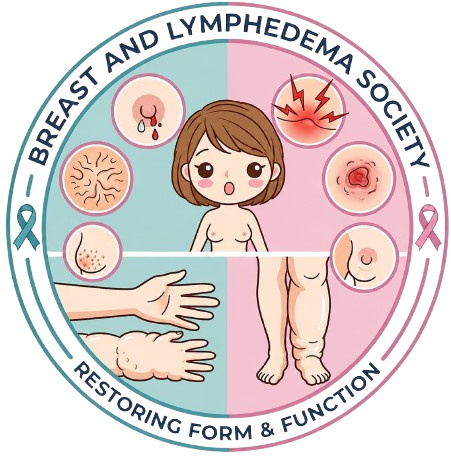

Understanding the Journey After Breast Cancer
Recovering from breast cancer is a deeply personal journey that extends far beyond the completion of treatment. While surgery, chemotherapy, radiation therapy, and targeted treatments play a critical role in fighting the disease, recovery involves addressing physical, emotional, and psychological challenges that may continue for months or even years. Understanding these common difficulties and learning effective ways to manage them can help survivors regain confidence, improve their quality of life, and move forward with strength.
Physical Fatigue and Low Energy Levels
One of the most common challenges breast cancer survivors face is persistent fatigue. Unlike ordinary tiredness, cancer-related fatigue can affect daily activities, concentration, and overall well-being. This exhaustion may result from treatment side effects, emotional stress, disrupted sleep, or nutritional deficiencies.
To manage fatigue effectively, survivors can:
- Follow a balanced and nutrient-rich diet.
- Stay hydrated throughout the day.
- Engage in light exercises such as walking or yoga.
- Maintain a consistent sleep schedule.
- Consult healthcare providers when fatigue becomes severe.
Regular physical activity has been shown to improve energy levels and support long-term recovery.
Managing Pain and Physical Discomfort
Many patients experience lingering pain or discomfort after surgery or radiation therapy. This may include tenderness around surgical sites, muscle stiffness, or nerve-related pain. Physical limitations can also affect shoulder mobility and arm movement, particularly after lymph node removal.
Working with healthcare professionals, including physiotherapists and rehabilitation specialists, can significantly improve recovery outcomes. Stretching exercises, guided therapy sessions, and pain management strategies help restore mobility and reduce discomfort over time.
Emotional and Mental Health Challenges
Breast cancer recovery often involves emotional ups and downs. Anxiety about recurrence, fear of future health complications, and changes in self-image can impact mental well-being. Some survivors may experience depression, stress, or feelings of isolation.
Seeking emotional support from family, friends, support groups, or mental health professionals can make a meaningful difference. Open communication about fears and concerns allows survivors to process emotions in a healthy way. Mindfulness practices, meditation, and counseling are also valuable tools for managing stress during recovery.
The Importance of Ongoing Medical Support
Continuous follow-up care is essential for monitoring recovery and detecting any potential complications early. Regular medical check-ups help healthcare providers assess physical healing, manage side effects, and provide guidance for long-term wellness.
Professionals working in the field of breast oncology play a vital role in supporting patients throughout recovery. Their expertise helps ensure that survivors receive personalized care plans tailored to their unique needs, improving both physical and emotional outcomes.
Coping with Changes in Body Image
Breast cancer treatment can result in significant changes to appearance, including surgical scars, hair loss, or alterations in breast shape. These changes may affect self-confidence and personal relationships.
Some effective ways to rebuild confidence include:
- Joining survivor support groups.
- Seeking professional counseling when needed.
- Exploring reconstructive options after consulting specialists.
- Practicing self-care and positive self-talk.
Recovery is not only about physical healing but also about rebuilding confidence and embracing a renewed sense of self.
Nutrition and Healthy Lifestyle Choices
Good nutrition plays a crucial role in recovery. A diet rich in fruits, vegetables, whole grains, lean proteins, and healthy fats supports healing and strengthens the immune system. Limiting processed foods and maintaining a healthy weight can also contribute to better long-term health outcomes.
Healthcare professionals who participate in breast cancer care training in Ghaziabad gain valuable knowledge about nutritional guidance, survivorship care, and patient-centered recovery strategies. Their expertise enables them to provide practical recommendations that support patients during every stage of recovery.
Building a Strong Support Network
Recovery becomes more manageable when survivors have access to a strong support system. Family members, caregivers, healthcare teams, and peer support groups can provide encouragement and practical assistance during challenging times.
Educational programs and professional development initiatives are also important for enhancing the quality of patient care. Participating in a clinical training workshop in cancer care helps healthcare providers stay updated on evolving treatment approaches, rehabilitation techniques, and supportive care practices that benefit breast cancer survivors.
Moving Forward with Confidence
Breast cancer recovery is a gradual process that requires patience, resilience, and ongoing support. Fatigue, emotional stress, physical discomfort, and body image concerns are common, but effective strategies can help individuals manage these challenges and improve their quality of life. By focusing on healthy habits, seeking professional guidance, and maintaining strong support networks, survivors can navigate recovery with greater confidence and optimism. Every step forward, no matter how small, is a meaningful achievement on the path toward renewed health and well-being.